 National Wind Erosion Research Network
Status
 Retired
Location
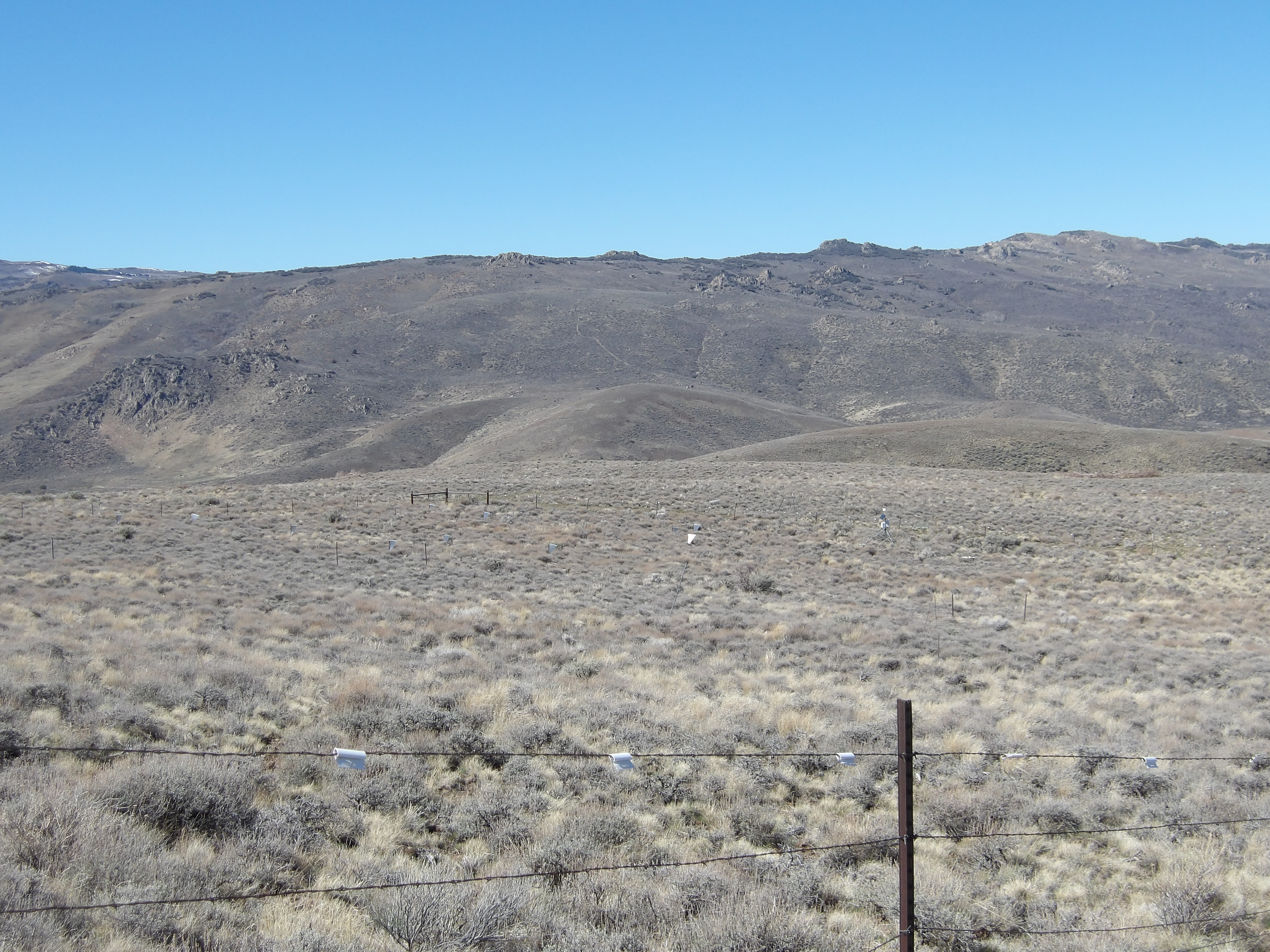
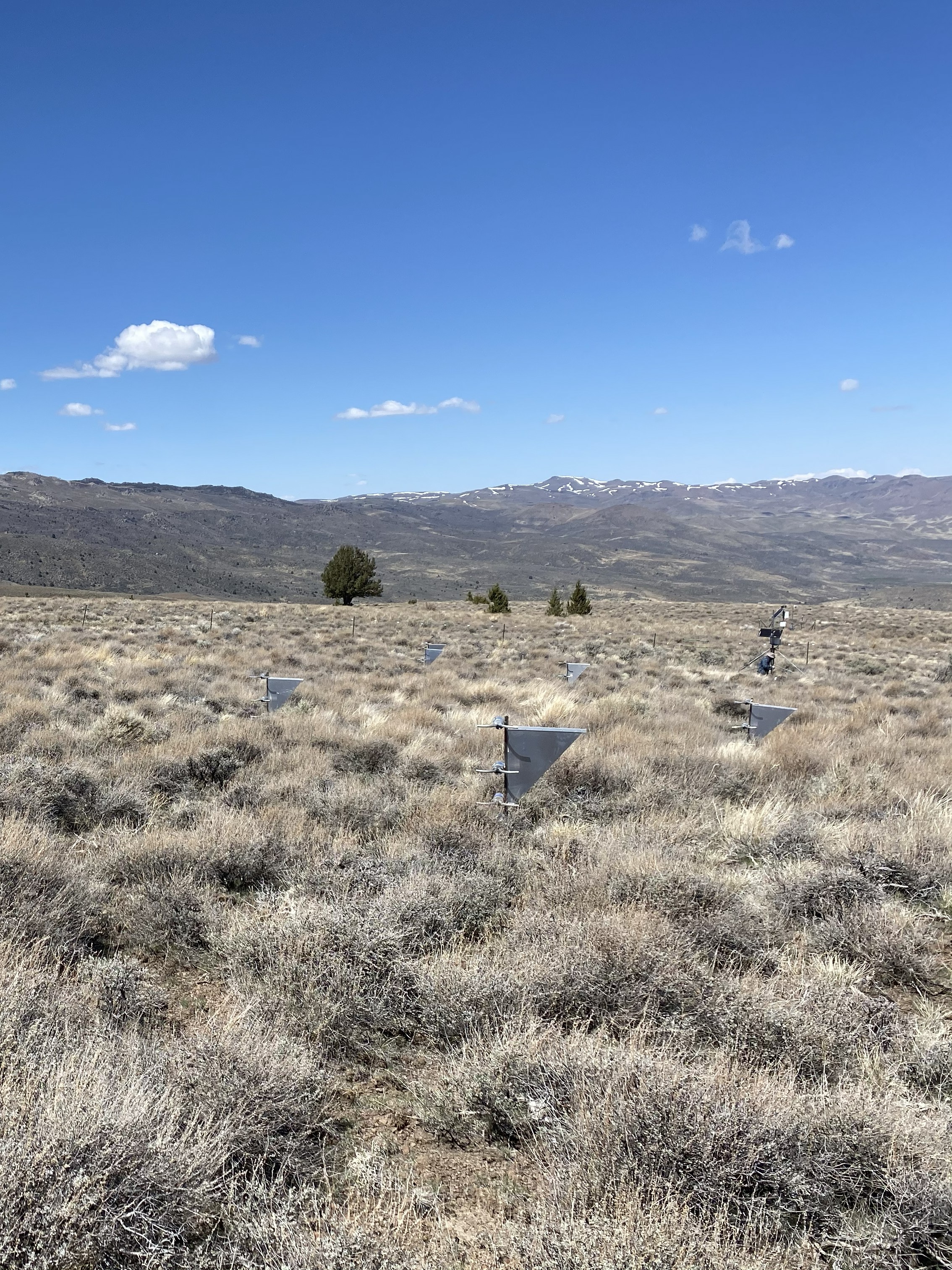
The Lower Sheep Wind Erosion Research Network site is managed by the USDA-ARS Northwest Watershed Research Center (NWRC) and is part of the Long-Term Agroecosystem Research (LTAR) network. The site is located within the Reynolds Creek Experimental Watershed (43.1426°, -116.7353°) in the Northern Great Basin approximately 50 miles southwest of Boise, Idaho. The site elevation is 1,631 m above sea level.
Climate
The Lower Sheep site is representative of a semi-arid continental sagebrush steppe climate. Approximately 350 mm of precipitation falls at the site each year and the mean annual temperature is 8.5 °C. A meteorological station, located 300 meters southeast of the site, measures air temperature, humidity, precipitation, wind speed and direction, incoming solar radiation, and soil characteristics. Additionally, the adjacent low sagebrush Ameriflux eddy covariance site measures atmospheric vapor and carbon exchange (link).
Vegetation and soil
The primary vegetation at the site consists of low sagebrush (Artemisia arbuscula Nutt.) with secondary populations of native bunchgrasses. The surface soil at the site has a gravelly loam texture. The soils are a Gabica gravelly loam, classified as loamy-skeletal, mixed, frigid Lithic Argixerolls.
Management
Located on BLM-managed land, the area surrounding the Lower Sheep site experiences light cattle grazing in the summer and is a habitat for the greater sage-grouse.
Site Contact